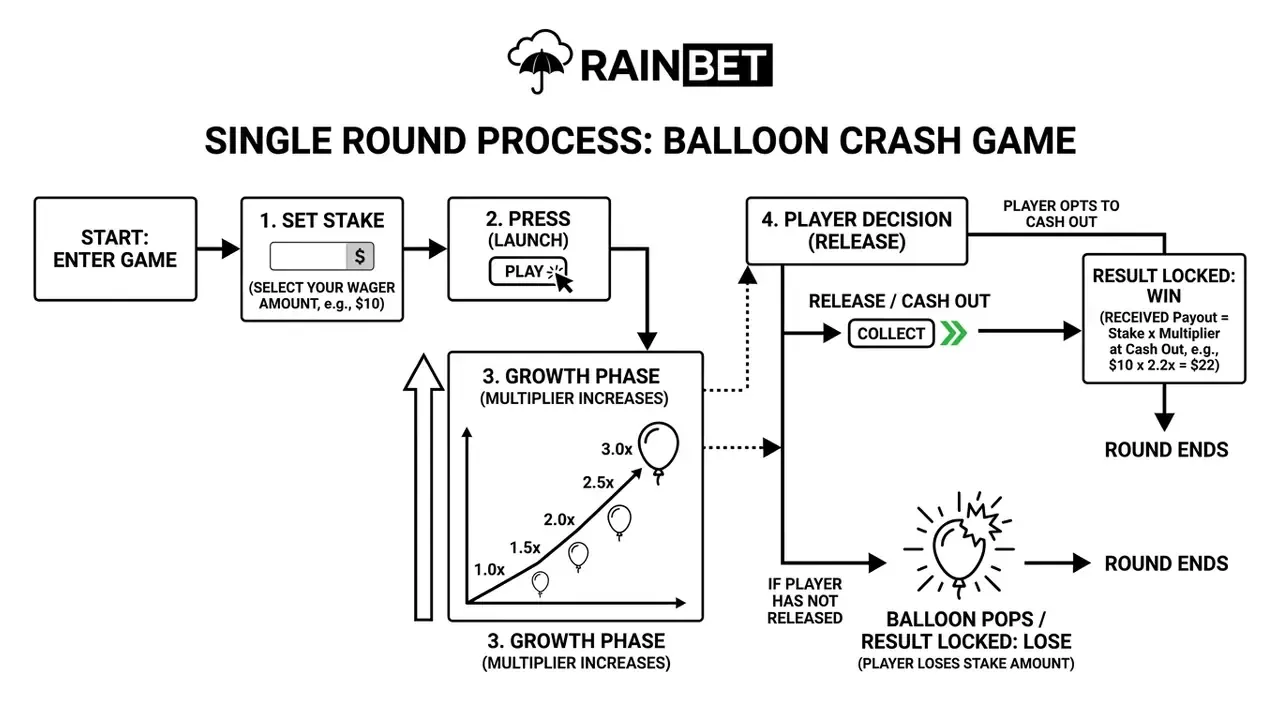
The underlying crash math remains identical. The primary difference is that the demo utilizes virtual test credits, whereas live mode impacts your actual capital. The psychological buffer provided by virtual chips alters your tolerance for risk in ways that are easy to underestimate. In demo mode the brain processes outcomes differently: the absence of financial pain leads to bolder bets, longer sessions, and a reduced emotional reaction to losses. Those habits around risk tolerance and bet sizing simply do not transfer to real money, where financial pressure dramatically changes decision-making.
In one session, a player chased losses without noting the rapid betting pace required. We implemented a strict $20 daily deposit cap via the responsible gambling dashboard, advising them to review full iGaming mechanics safely first. The result was a restored focus on calculated entertainment, preventing what would have been an uncontrolled bankroll drain driven by mismanaged excitement.
An expert readiness benchmark from the iGaming industry suggests a player is prepared for live stakes only when they achieve a base-range exit (1.5x-1.8x) with at least 70% consistency in demo, follow stop-loss rules without negotiation, and demonstrate repeatable decisions rather than gut instinct.